
Product discovery and scoping
We turn an idea into a written feature list, user flows and a release plan. You leave this stage knowing what version one includes, what it skips, and why.
We design, build and launch iPhone, Android and cross-platform apps for founders, growing businesses and enterprise product teams across the United States. Planning comes first, so the app you pay for is the app your users actually need.
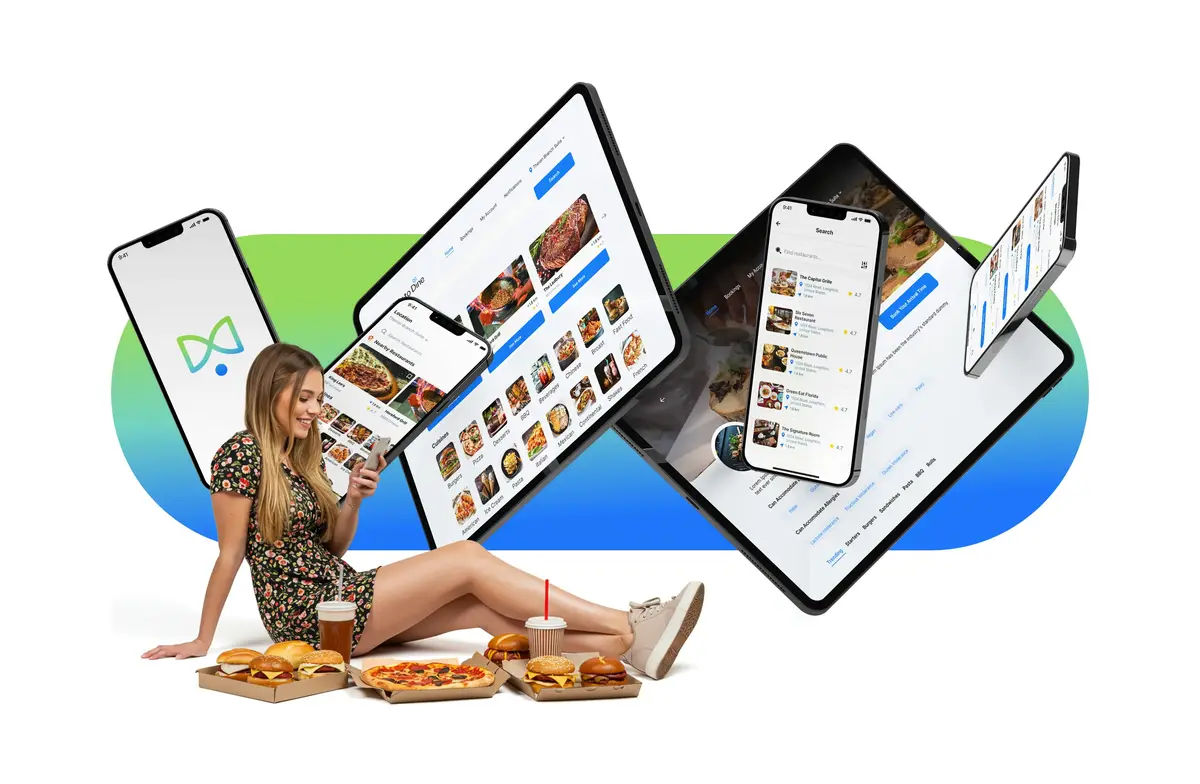
Hiring a mobile app development company is a bigger decision than picking a vendor. The team you choose will shape how your product feels in someone's hand, how it gets through Apple and Google review, and how much it costs to change a year from now. SIZ Group has worked through those decisions on 678 apps for more than 465 clients since we opened in Austin, Texas in 2018.
Most projects that go wrong do so before any code is written. The scope is vague, the platform choice is made by habit, and nobody has decided what version one leaves out. Our first job is to pin those things down with you: who uses the app, what they need to do in the first thirty seconds, and which platform gets you to real users with the least waste.
This page is the starting point for all of our mobile work. If you already know you want a pure iPhone app, an Android build in Kotlin, or a shared codebase, the platform pages linked below go deeper. If you are not sure yet, the next three paragraphs are written for exactly that situation.
Native development means a separate app for each platform, written in the language Apple or Google designed for it. You get first access to new OS features, the smoothest scrolling and animation, and the simplest path to hardware such as the camera pipeline, Bluetooth accessories, Apple Watch or HealthKit. The cost is two codebases, two sets of tests and two release cycles if you need both stores.
Cross-platform development shares one codebase across iOS and Android. Flutter draws its own interface with Dart, while React Native uses JavaScript or TypeScript and maps to native components. For apps built mostly from forms, lists, feeds and checkout flows, users rarely notice the difference, and you save a large share of build and maintenance effort. The trade is a dependency on the framework's release cycle and occasional native work for platform-specific features.
Our rule of thumb is simple. If your audience sits mostly on one platform, or your core value depends on deep device access, start native. If you need both stores on day one and your app is primarily content and transactions, start cross-platform. Our cross-platform page compares the options in detail, including Kotlin Multiplatform and hybrid web approaches.
Each engagement is built from these pieces, and you only pay for the ones your product needs.
We turn an idea into a written feature list, user flows and a release plan. You leave this stage knowing what version one includes, what it skips, and why.
Wireframes come first, then clickable prototypes and final screens that respect each platform's conventions. Users should never have to learn your navigation from scratch.
Swift and SwiftUI for Apple devices, Kotlin and Jetpack Compose for Android. Native is the right call when you lean hard on device hardware, platform features or heavy animation.
Flutter or React Native when one codebase serving both stores is the smarter trade. We will tell you plainly when it is not.
Accounts, payments, maps, push notifications, admin panels and the APIs that connect them. The app is only as reliable as the services behind it.
Store listings, review submissions and the fixes that follow real usage. After launch we keep the app current with each new iOS and Android release.
Custom mobile app development means the product is shaped around your business rules, not squeezed into a template. That takes engineers who can explain trade-offs in plain language and designers who test flows on real phones before anything is final.
We hire carefully to make that possible. Only the top 4% of developer applicants join the team, and the people on your project bring more than 10 years of collective experience. Apps we have built for clients have passed 10 million downloads combined.
Talk to usOne team from first call to launch, with demos at every milestone.
We start with a conversation about your users, your business model and any deadlines you face. That turns into a concept, a feature list and a platform recommendation.
We map every screen and build a clickable prototype you can put in front of real users. Changing a prototype costs hours, while changing shipped code costs weeks.
The app is built in short cycles, with working builds sent to your phone through TestFlight or a Google Play testing track. You see progress instead of hearing about it.
We test on a spread of screen sizes, OS versions and network conditions. Feedback from your own testers gets folded in before submission.
We prepare the store listings, handle review questions from Apple and Google, and monitor the first releases. Then we stay on for updates, fixes and new features.
We pick tools for long-term maintainability, not novelty.
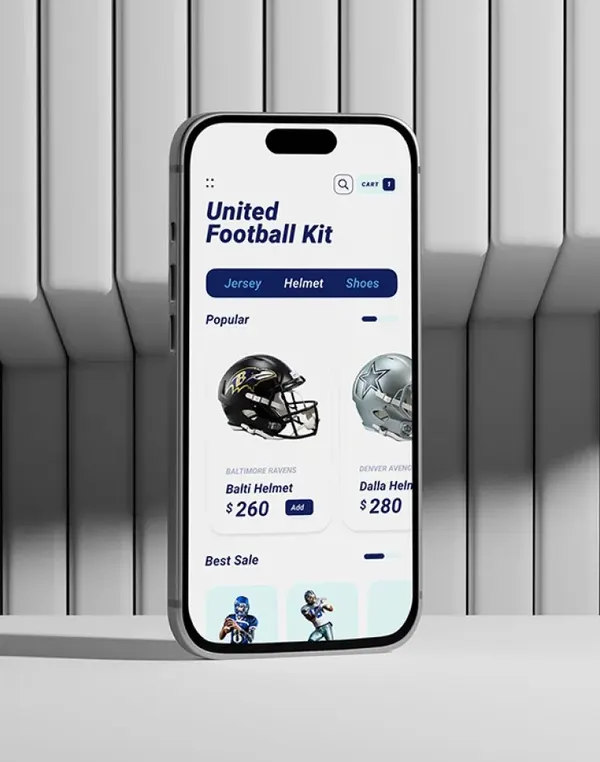
Storefront apps with catalogs, carts and checkout. Our designs include a sports gear store, a workspace furniture store and a gaming gear shop.
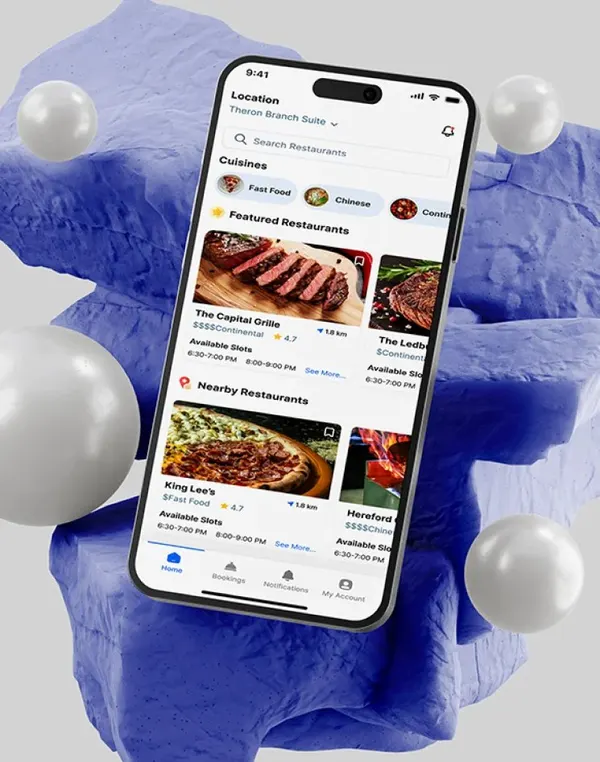
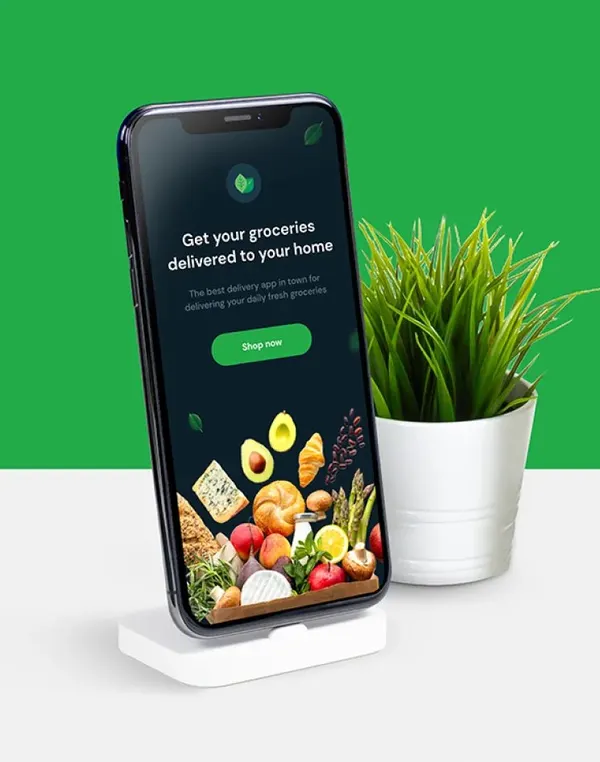
Restaurant finders, food ordering and grocery delivery with live order tracking. Speed at checkout matters more here than anywhere.
Driver booking flows and vehicle marketplaces where listings, photos and trust signals decide whether a buyer calls.
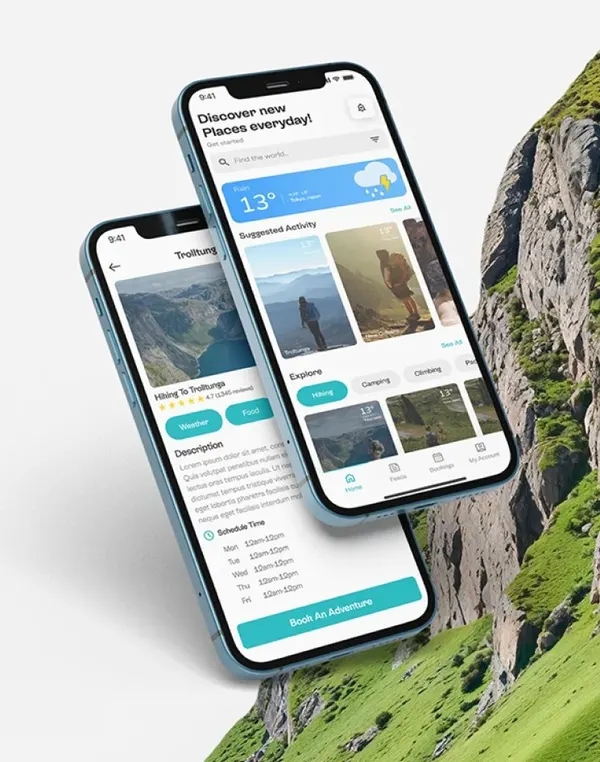
Travel discovery and hiking trail apps that need maps, offline access and location services that behave well on battery.
The biggest cost drivers are the number of distinct user roles, the complexity of the backend, and how many third-party systems the app must talk to. A single-role app with a simple catalog costs far less than a marketplace with buyers, sellers, payouts and an admin console.
Platform choice matters too. Two native apps mean two codebases to build and maintain, while a cross-platform build shares most of the work. Custom animation, offline sync and real-time features such as live tracking or chat add effort on any platform.
Mobile apps start at $4,500. The final figure depends on scope and is confirmed in writing after a free consultation, where we walk through your feature list and suggest what could move to a later release to protect your budget.
Every project is scoped on a free call and confirmed in writing before work starts.
Detailed plans for 250 US industries, from HVAC contractors to specialty retailers.
Go native when the app depends on platform features such as HealthKit, widgets, Bluetooth accessories or demanding graphics, or when you only need one store. Go cross-platform when you need iOS and Android at launch and most screens are forms, lists and content. We give a written recommendation after the first call.
Look at work in your category, ask who will actually build your app, and ask how they handle store rejections and post-launch updates. A good mobile app development company will also tell you which features to cut from version one.
SIZ Group is based in Austin, Texas, at 9614 N Lamar Blvd. We work with clients across the United States and keep project communication in US business hours.
Yes. Most apps need user accounts, a database, an API and some way for your staff to manage content or orders. We scope and build those alongside the app so nothing is left for you to source separately.
Ownership terms are set out in the written agreement before work begins. We hand over source code repositories and store account access as agreed, so you are never locked in.
We offer maintenance and updates covering bug fixes, OS compatibility and new features. Apple and Google change requirements every year, and an app that is not maintained will eventually drop out of compliance.
Book a free consultation and leave with a clear platform recommendation and a written scope.