
Custom Android apps
Native apps written in Kotlin with Jetpack Compose interfaces and a clean architecture that separates screens, business logic and data. Easy for any future team to pick up.
We build native Android apps in Kotlin and Jetpack Compose that hold up across thousands of device models, from budget phones to foldables, and pass Google Play's requirements cleanly.
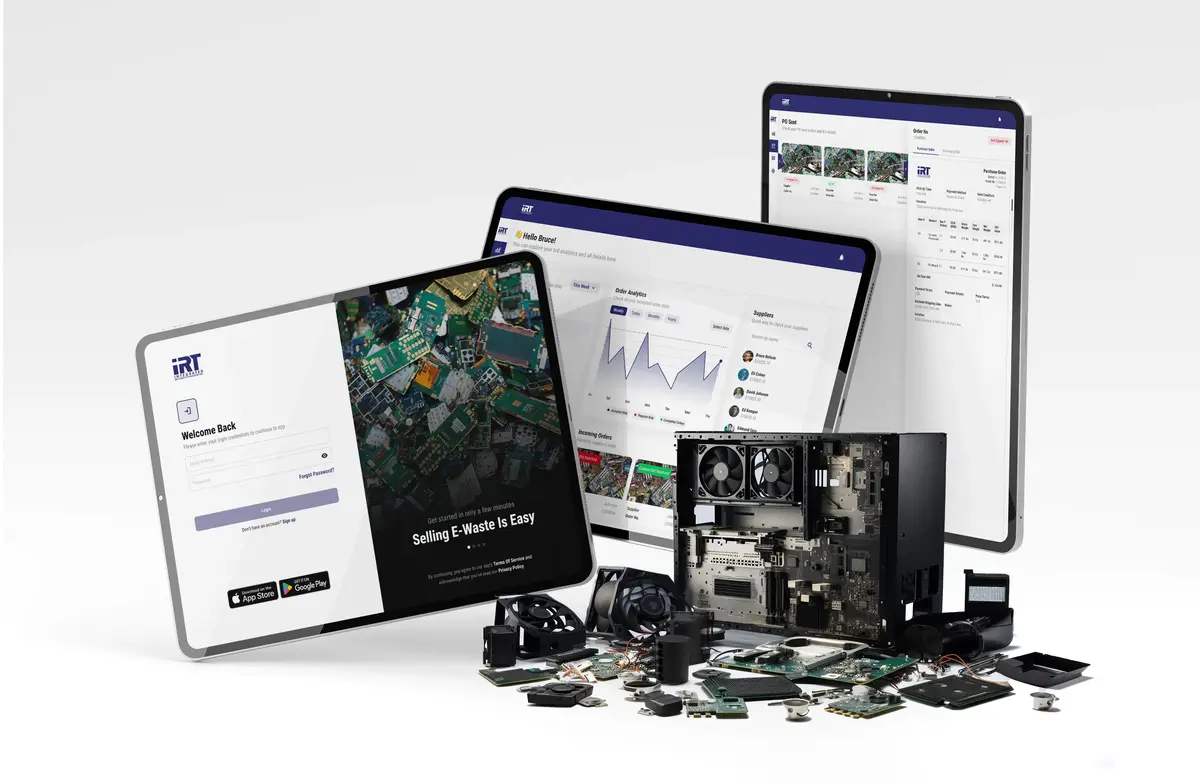
An Android app development company has a different job from an iOS shop. Apple controls a short list of devices. Android runs on phones from Samsung, Google, Motorola, OnePlus and many others, each with its own screen sizes, memory limits, manufacturer skins and battery rules. An app that feels quick on a flagship can stutter on a three-year-old midrange phone unless someone planned for it.
SIZ Group has designed and developed 678 apps since 2018, and that range of devices is something we plan for from the first sprint. We decide early which Android versions to support, which screen classes matter for your users, and how the app should behave when the system kills it in the background to save battery.
Android also offers freedoms that iOS does not. Deeper customization of notifications, home screen widgets with Glance, default handlers for links, background work through WorkManager and integration with Wear OS, Android Auto and Android TV. If your product benefits from those, native Android is worth building properly rather than treating it as a port.
Native Android is not always the right first step. If your audience is mostly on iPhone, or you need both stores at launch with a limited budget, a shared codebase may be the smarter starting point. Where Android users are central to your business, or where you rely on rugged devices, scanners or deep system integration, a native Kotlin build earns its cost.
Everything needed to design, build, publish and maintain a native Android app.
Native apps written in Kotlin with Jetpack Compose interfaces and a clean architecture that separates screens, business logic and data. Easy for any future team to pick up.
High-fidelity prototypes built on Material 3 so you can test flows and visual direction before development. Changes at this stage are fast and inexpensive.
Adaptive layouts that respond to window size classes, so the app looks right on a large tablet, an unfolded phone and in split-screen mode.
Play Console setup, Android App Bundles, store listings, the Data safety form and staged rollouts. We manage internal, closed and open testing tracks for you.
Baseline Profiles for faster startup, careful memory use on lower-end phones and backend work that keeps up as usage grows.
Google Play raises its target API level requirement every year. We keep your app current so updates are never blocked.
Good Kotlin developers write clean code. Good Android app developers also know that a permission flow changed in Android 13, that background location needs a strong justification for Play review, and that manufacturer battery savers can stop scheduled tasks. Those details decide whether reviews say the app works or the app is broken.
We hire only the top 4% of developer applicants, and our team brings more than 10 years of collective experience. Apps we have built for clients have passed 10 million downloads, which means a lot of real-world Android hardware has run our code.
Talk to usOne team from first call to launch, with demos at every milestone.
We agree the minimum Android version, the devices that matter for your audience and the Play features you need. This sets the testing matrix for the whole project.
We design with Material 3 components and your brand, covering phone, tablet and foldable layouts. The prototype is tested before development starts.
We build with coroutines and Flow for async work, Room for local storage and Hilt for dependency injection. Builds reach you through a Play internal testing track as features are finished.
Unit tests, Espresso and Compose UI tests cover key flows, then we run the app on low, mid and high-end devices. We check startup time, memory and battery use under real conditions.
We prepare the listing, Data safety form and content rating, then release with a staged rollout. After launch we watch Android vitals and crash reports and ship fixes.
Google's recommended tools for modern Android, plus proven libraries.
Rugged Android devices and scanners are common in warehouses and delivery fleets, and native apps can use their hardware directly.
Wide audiences mean a wide spread of phones. Our grocery delivery design with live tracking is built to stay responsive on modest hardware.
Vehicle marketplaces and driver booking apps, with Android Auto as an option for in-car experiences.
Shopping apps with Google Pay, rich notifications and home screen widgets that bring buyers back.
On Android the biggest cost lever is the device range you commit to. Supporting older Android versions, tablets and foldables, or specialized hardware such as barcode scanners widens the testing effort. Narrowing support to the devices your users actually own keeps costs down.
Feature choices matter as well. Background location, offline sync, Google Play Billing subscriptions and integrations with Wear OS or Android Auto each add development and review work. A clean backend and a simple admin panel are usually needed regardless of platform.
Mobile apps start at $4,500. The final price depends on scope and is confirmed in writing after a free consultation, where we look at your audience and recommend which devices and Android versions to support first.
Every project is scoped on a free call and confirmed in writing before work starts.
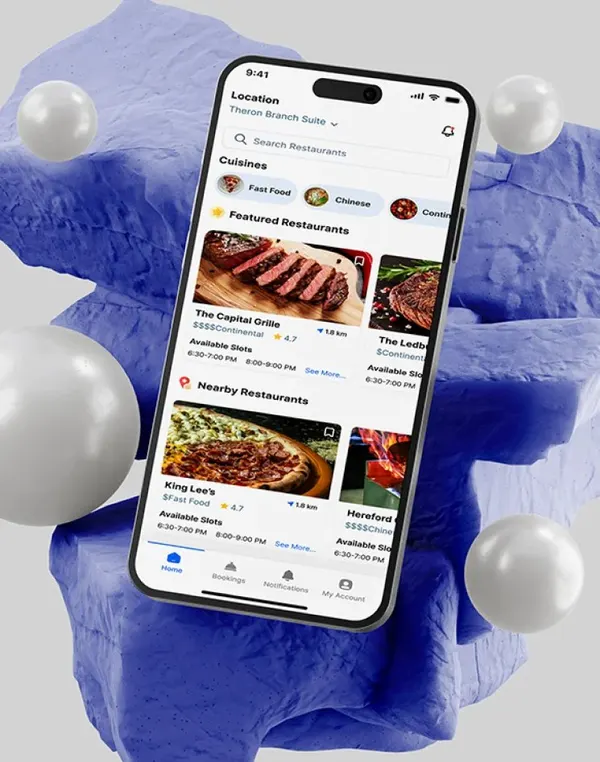
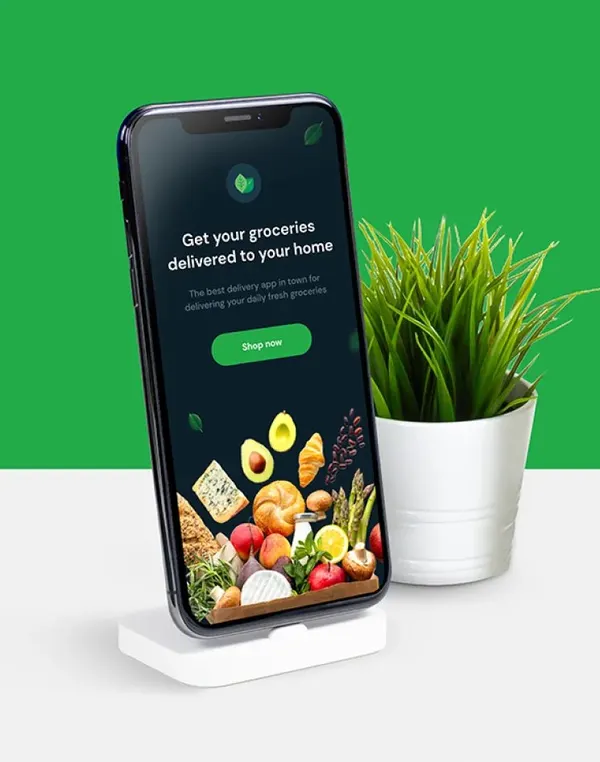
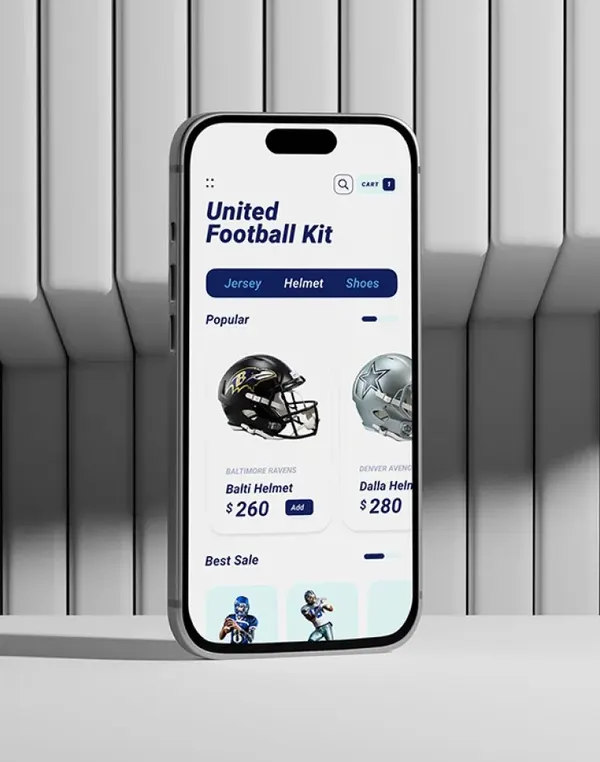
Look for native Kotlin experience, a real device testing plan and familiarity with Google Play policies. Ask how they handle fragmentation and how they keep apps current with the yearly target API level requirement.
It depends on where your users are. Consumer audiences in the US often lean toward iPhone, while field teams, logistics and many global markets lean Android. If you need both at once, compare a shared codebase on our cross-platform page.
New native Android apps are built in Kotlin with Jetpack Compose, which is what Google recommends. We also maintain and modernize older Java codebases, moving screens to Compose gradually where it makes sense.
We upload an Android App Bundle through Play Console, complete the store listing, Data safety form and content rating, and release through testing tracks. New personal developer accounts also have to run a closed test before production access, which we plan into the schedule.
Yes, if it is designed for it. We use adaptive layouts and test keyboard and mouse input so the app works well on larger screens, not just stretched.
Yes. We monitor crash and performance reports, update for new Android releases and Play policy changes, and add features as your product grows.
Book a free consultation and get a device plan and written scope for your Android build.