
Inventory sync
Stock levels kept in step across your store, marketplaces, retail locations and warehouse. We decide which system is the source of truth and how often counts update so you stop selling items you do not have.
We connect your online store to the systems behind it so orders flow to the warehouse, stock counts stay accurate and your accountant stops retyping sales.
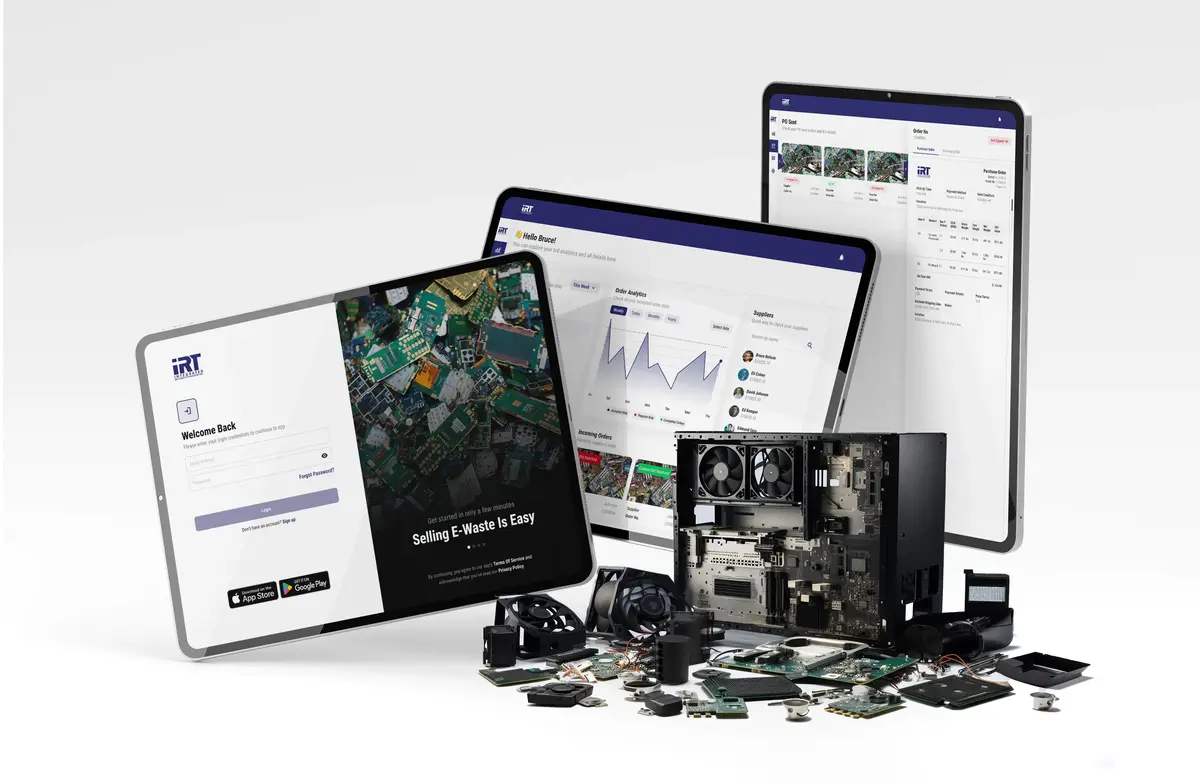
Every growing store reaches the point where copying data by hand stops working. Orders are exported to a spreadsheet for the warehouse, stock is adjusted at the end of the day, and someone enters sales into accounting on Friday afternoon. Each manual step is a chance for an oversell, a late shipment or a bookkeeping error. Ecommerce integration services replace those steps with connections that run on their own and tell you when something goes wrong.
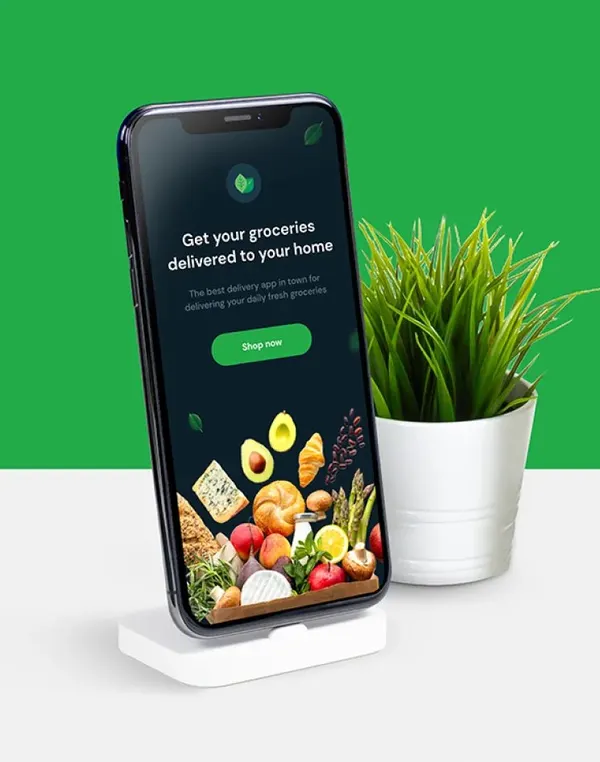
SIZ Group has designed and developed 678 apps for more than 465 clients since 2018. A lot of that work involves moving data between systems: apps talking to back ends, payments talking to orders, tracking updates reaching customers in real time. Our grocery delivery design with live order tracking is a good example of how many systems one order can touch.
Integration work is less visible than a new storefront, but it is often where the money is. A store that shows accurate stock, ships on time and closes its books cleanly can grow without hiring someone to babysit spreadsheets.
If your store runs fine on a single platform with a couple of well reviewed connector apps, you may not need custom work at all. We will check what off the shelf options exist before suggesting anything custom.
Each connection is planned around which system owns which data.
Stock levels kept in step across your store, marketplaces, retail locations and warehouse. We decide which system is the source of truth and how often counts update so you stop selling items you do not have.
Orders sent to your fulfillment partner as soon as they are paid, with tracking numbers and shipment status sent back to the store and the customer. Split shipments, backorders and returns are handled, not ignored.
Products, prices, customers and orders exchanged between Shopify and your ERP, including B2B price lists and customer accounts. We map fields carefully so the ERP stays the record for finance and stock.
Sales, refunds, fees, taxes and payouts posted to QuickBooks in a form your accountant can reconcile. Summary or per order posting is agreed with your bookkeeper before we build.
Order details, tracking and customer history shown inside your support tool, so agents answer "where is my order" without switching tabs. Refunds and replacements can be triggered from the ticket where the platform allows.
When no connector exists, we build middleware that sits between systems, translates data and queues requests. This suits older ERPs, custom warehouse software and suppliers who still send files over SFTP.
The first version of an integration usually works on a quiet Tuesday. The real test is a sale weekend, a supplier sending a malformed file or an API that times out for ten minutes. We design for those days with retries, queues, logging and alerts, so a failure becomes a notification to fix rather than a week of missing orders.
We hire only the top 4% of developer applicants, and the team brings more than 10 years of collective experience. The same developers who build your integration document it, so your team or a future vendor can understand how it works.
Talk to usOne team from first call to launch, with demos at every milestone.
We list every system involved, who uses it and what data it holds, and we confirm API access for each one. This is where we find out whether a ready made connector covers your needs.
We define which system owns products, stock, prices, customers and orders, and document every field mapping and status change. Edge cases such as partial refunds, bundles and backorders are written down and agreed.
We build against test stores and sandbox accounts using webhooks for real-time events and scheduled jobs for bulk updates. Nothing touches live orders until you have seen it work.
We replay realistic orders, refunds, stock changes and failures, including network errors and bad data, and confirm the alerts fire. Your operations and finance staff check the results in their own tools.
We switch over at a quiet time with a rollback plan ready, then watch logs closely through the first busy days. Ongoing support covers API version changes, new fields and fixes.
Native platform APIs first, with middleware where it adds reliability.
Brands selling on their own store, marketplaces and in person need one accurate stock count across every channel.
Account pricing, purchase orders and invoices have to match the ERP exactly, which makes reliable sync essential.
Outsourced fulfillment only works when orders, tracking and returns move between store and warehouse without delay.
High order volume, substitutions and tight delivery windows leave no room for slow or manual updates.
The number of systems, the quality of their APIs and the complexity of your data drive cost more than anything else. Connecting Shopify to a modern accounting tool with a clean API is a modest job. Connecting several channels to an older ERP that only accepts nightly files, with bundles, kits and multiple warehouses, is a much bigger one.
Volume and reliability needs matter too. A store processing a few orders a day can run on simple scheduled jobs, while a high volume store needs queues, retry logic and monitoring. Some platforms also charge for API access or connector apps, and we list those fees in the proposal.
We do not publish a set price for integration work because every stack is different. Pricing is scoped and quoted in writing after a free call where we review your systems and data flows.
Every project is scoped on a free call and confirmed in writing before work starts.


Detailed plans for 250 US industries, from HVAC contractors to specialty retailers.
They cover planning, building and running the connections between your store and the systems behind it, such as ERP, inventory, 3PL, accounting and helpdesk tools. That includes data mapping, API and webhook development, testing, monitoring and ongoing support when platforms change.
If a well supported connector covers your workflow, use it, since it costs less to run. Custom work makes sense when your data has rules the connector cannot handle, when your system has no connector, or when you need monitoring the app does not provide.
We set one system as the source of truth for stock, push changes through webhooks as they happen and run regular full reconciliations to catch drift. Safety buffers can hold back a few units on fast sellers when channels update at different speeds.
Failures are logged with the record that caused them, retried automatically when it is safe to do so, and flagged to your team if they persist. Nothing is silently dropped, and failed records can be replayed once the cause is fixed.
Usually, yes. If the ERP has no modern API, we can exchange files over SFTP, use its database export or build middleware that translates between formats. We confirm the options during the systems review.
Yes. We review the existing code, logs and data mappings first, document how it works today and then fix or rebuild the weak parts. You get written documentation whether we keep the old code or replace it.
Book a free call to review your systems and get a written quote for connecting them.