1. Home
  2. Services
  3. Hybrid App Development
Web to app Austin, TX · since 2018

Hybrid App Development Company for Web Teams

You already have a working web product. We package it as real App Store and Google Play apps with Capacitor, add the native features a website cannot reach, and tell you where a WebView will hold you back.

678apps built
465+clients
Top 4%developer intake
Hybrid App Development project by SIZ Group
10M+downloads by client users
From $4,500free scoping call
Overview

When a hybrid app development company is the right call

SIZ Group is a hybrid app development company in Austin, Texas. We have worked with more than 465 clients across the USA since 2018, and many of them came to us with the same situation: a web application customers already use, a team that knows HTML, CSS and JavaScript, and a need to appear in the app stores without starting over.

A hybrid app runs your web interface inside a native shell. On iOS that shell uses WKWebView, and on Android it uses the system WebView. Capacitor sits between the two worlds, giving your web code access to the camera, push notifications, secure storage, file system and other device APIs through plugins. The result is installable from the stores, sends notifications and works offline, while most of the code is still the web code you already own.

This is a different approach from Flutter or React Native, which ask you to rewrite the interface in a new framework. Hybrid mobile app development keeps the interface on the web platform. That is its main advantage and also the source of every limit described further down this page.

What we deliver

Hybrid mobile app development services

Most hybrid work starts with code you already have, so our services are organized around converting, extending and maintaining it.

01

Web to app conversion

We take your existing React, Angular, Vue or plain JavaScript app, make it responsive for small screens and touch input, and wrap it with Capacitor. Routing, authentication and deep links are reworked so the app behaves like an app, not a bookmarked website.

02

Ionic UI for native feel

Ionic Framework provides web components that adapt their look to iOS and Android, including tab bars, swipe-back navigation, modals and pull to refresh. We use it when your current web UI was built for desktop and needs a mobile layer.

03

Native plugins and bridges

When an official or community Capacitor plugin does not cover a feature, we write one in Swift and Kotlin. Typical examples are custom Bluetooth devices, background location rules and payment terminal SDKs.

04

Cordova to Capacitor migration

Many older hybrid apps still run on Apache Cordova with plugins that no longer build on current Xcode or Android versions. We move them to Capacitor, which treats the native projects as source you can open and edit.

05

Progressive web apps

Sometimes the best first step is a PWA with a service worker, offline caching and a web app manifest. iPhone users can add it to their home screen and, since iOS 16.4, receive web push notifications, with no store review involved.

06

App store readiness

Apple rejects apps that are little more than a repackaged website under its minimum functionality guideline. We add the native value that passes review, such as push notifications, offline access, biometric login and native sharing.

Why SIZ Group

Where hybrid works and where it hits limits

Hybrid is strongest for apps made of forms, lists, dashboards, content and account management. Internal company tools, customer portals, booking flows and ordering systems fit well, because their screens are mostly data and text that a modern WebView renders quickly.

It struggles with very long lists that scroll fast, complex gesture-driven interfaces, heavy real-time animation, 3D, games and long-running background work. In those areas a WebView adds overhead that no amount of tuning fully removes. Our team, hired from the top 4% of applicants, builds native and cross-platform apps too, so when your roadmap crosses that line we will say so before you invest.

Talk to us
  • Keep your web teamDevelopers who maintain your website can maintain the app, with no new language to learn.
  • One codebase for three surfacesThe same code can run as a website, an iOS app and an Android app.
  • Live updates for web assetsWeb layer fixes can be delivered without a full store release, as long as they stay within store rules.
  • Native code when you need itCapacitor projects are real Xcode and Android Studio projects, so native screens can be added later for the parts that outgrow the WebView.
How we work

How we turn a web product into a hybrid app

One team from first call to launch, with demos at every milestone.

01

Web app audit

We review your current codebase for mobile readiness: bundle size, routing, session handling and how the UI behaves on small touch screens. You get a list of what can stay and what must change.

02

Mobile design pass

Designers adapt navigation to thumb reach, safe areas and the notch. We decide where Ionic components replace desktop patterns and where your existing styles can stay.

03

Capacitor integration

We add Capacitor, connect the native plugins you need and configure deep links, app icons and splash screens. Offline storage and caching are set up so key screens open without a connection.

04

Device and WebView testing

We test on real iPhones and on Android devices with older WebView versions, where performance problems appear first. Scrolling, keyboard behavior and memory use get special attention.

05

Store launch and support

We prepare the store listings and submit for review with the native features that justify an app. After launch we keep Capacitor, plugins and native SDKs updated for each new iOS and Android release.

Tech stack

Hybrid app technologies

Our hybrid stack is built on the web platform with native code added only where it earns its place.

CapacitorIonic FrameworkAngularReactVueTypeScriptWKWebView and Android WebViewService workers and Web App ManifestCapacitor plugins in Swift and KotlinApache Cordova for legacy migrationsFirebase Cloud MessagingVitePlaywright and Appium
Who it's for

Who chooses hybrid apps

SaaS and customer portals

Companies with a mature web dashboard can offer a store-listed app to customers who expect one, without funding a second product team.

Internal business tools

Field forms, inventory checks and approval workflows need a camera, offline mode and login, not complex animation.

Restaurant and booking platforms

Table reservations and ordering flows are mostly lists and forms, which a hybrid app renders well.

Publishers and membership sites

Content that already lives on the web can reach the home screen with push notifications for new articles or events.

Pricing

What hybrid app development costs

The starting point matters more than anything else. A well-built responsive web app may need only a mobile design pass, Capacitor setup and a few plugins. A desktop-first app with server-rendered pages and fragile session handling needs more rework before it behaves like an app.

Custom native plugins, offline sync with conflict handling and features that Apple requires for approval add cost. So does fixing an old Cordova project before it can move forward.

Mobile apps at SIZ Group start at $4,500. Final cost depends on scope and is confirmed in writing after a free consultation, where we review your web app and tell you honestly whether hybrid, PWA or a different approach gives you better value.

Mobile apps start at
$4,500

Every project is scoped on a free call and confirmed in writing before work starts.

  • Fixed scope and clear milestones
  • Design, build, testing and launch
  • Post-launch support available
Get my estimate
Recent designs

Apps our team has designed

All case studies
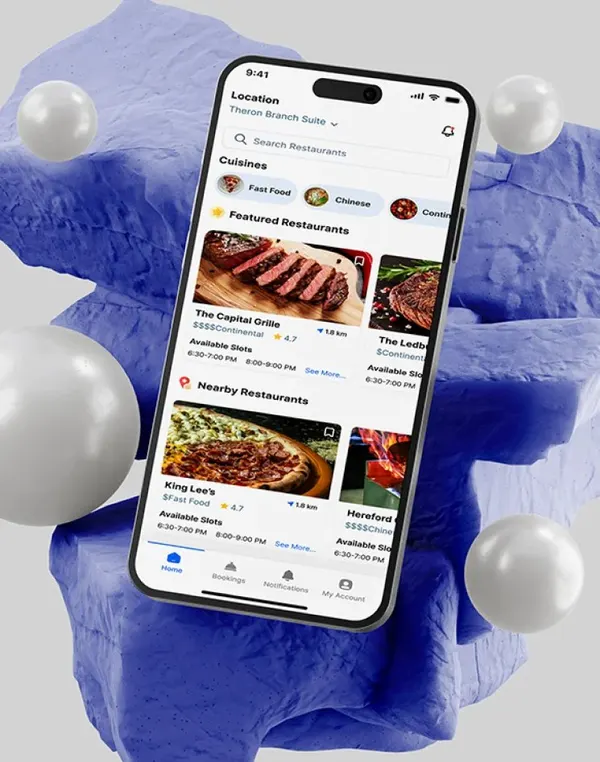
Restaurant finder app design
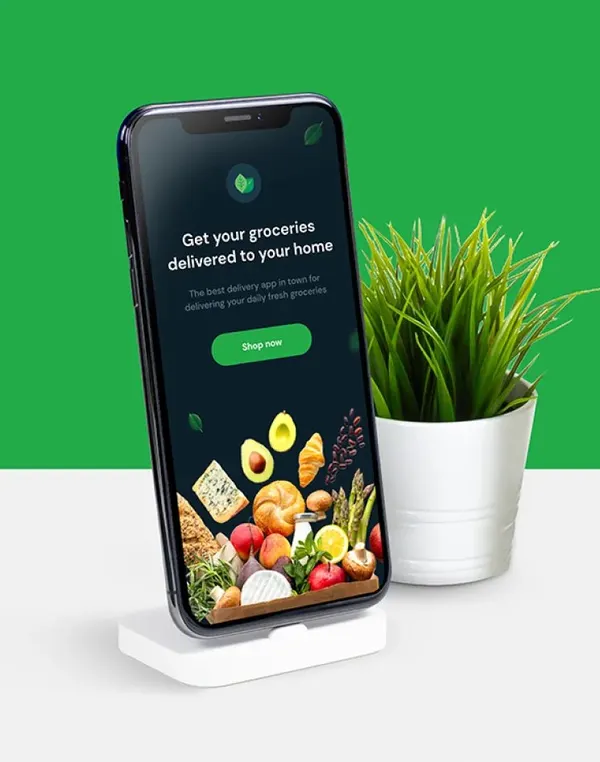
Grocery delivery app design
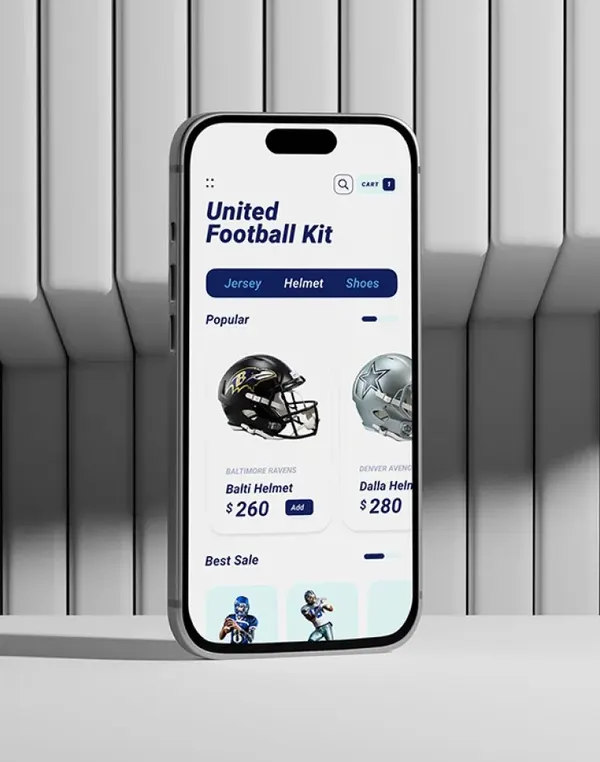
Sports store app design
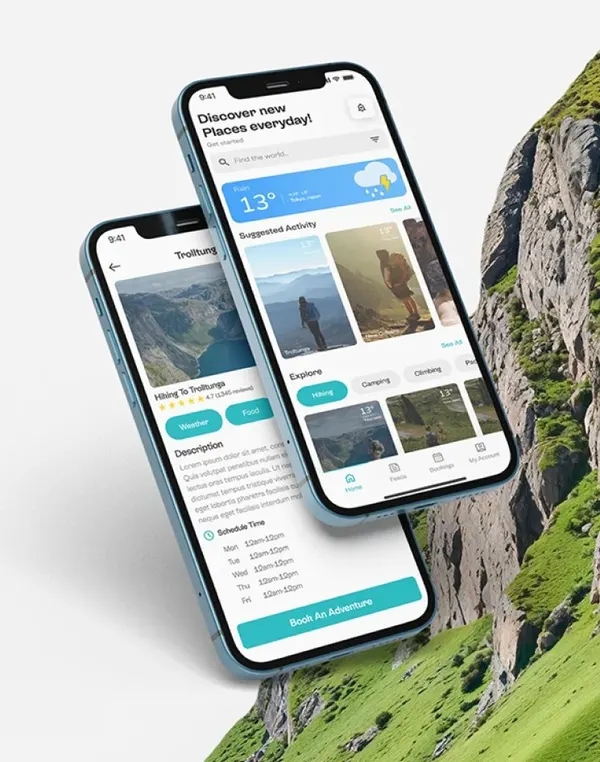
Trail finder app design
FAQ

Frequently asked questions

Still curious? Call +1 254 323 2698 or write to info@sizgroup.com.

What is the difference between a hybrid app and a PWA?+

A PWA runs in the browser and is added to the home screen without any app store. A hybrid app is the same kind of web code packaged in a native shell with Capacitor and distributed through the App Store and Google Play. Hybrid apps get fuller access to device features and store visibility.

Will Apple accept a hybrid app?+

Apple accepts hybrid apps that offer real app value. It rejects apps that are just a website in a wrapper. We plan native features such as push notifications, offline access and biometric login so the app passes review.

Is Ionic the same as Capacitor?+

No. Capacitor is the native runtime that packages web code and exposes device APIs. Ionic is a UI component library that gives web apps a mobile look. You can use Capacitor without Ionic, which we often do when your web UI is already mobile friendly.

When should I not build a hybrid app?+

Skip hybrid for games, AR, heavy animation, very large fast-scrolling feeds or apps that do long background processing. In those cases Flutter, React Native or native code will perform better.

Why work with SIZ Group as your hybrid app development company?+

We have designed and developed 678 apps since 2018 across native, cross-platform and hybrid stacks. As a hybrid app development company that also builds native, we recommend hybrid only when it suits your product.

Can a hybrid app grow into a native one later?+

Yes. Because Capacitor uses real native projects, we can replace single screens with native code over time while the rest stays on the web layer.

Let's make it happen

Put your web app in the app stores

Book a free consultation and we will review your web app and recommend hybrid, PWA or another route.

+1 254 323 2698 info@sizgroup.com
9614 N Lamar Blvd, Ste 135, Austin, TX 78753

Book a free call